I’ve spent two decades watching players chase sessions on blackjack and roulette tables, and the pattern never changes: the ones who last are the ones who decide their spend before they ever sit down. Crypto casino play runs on the same discipline, just with a different ledger. You’re moving value through a wallet instead of tapping a card, but the maths of session planning stays identical. If you’re working out how to budget for crypto casino sessions in Australia, treat it like a night out at the tables – set a cap, track your drift, and never pretend volatility is a strategy.
When I ran floor shifts in Adelaide, I’d tell new dealers to watch the pace of play before calling a pit decision, and the same principle applies to crypto wallets. A session that starts steady can drift hard when a bonus mechanic or a fast spin cycle kicks in, so your budget has to account for the speed of the game, not just the entry amount. The Lott and Lotterywest run most of Australia’s lotteries because the model is built on fixed odds and published prizes, which is a useful reminder that advertised jackpots are marketing figures, not typical outcomes. Crypto tables can feel more fluid because values move with the market, but your personal limit should be fixed in the currency you actually care about – usually Australian dollars – before you convert anything.
Here’s the process I’d walk a player through, the same way I’d brief a dealer on table limits before a busy arvo:
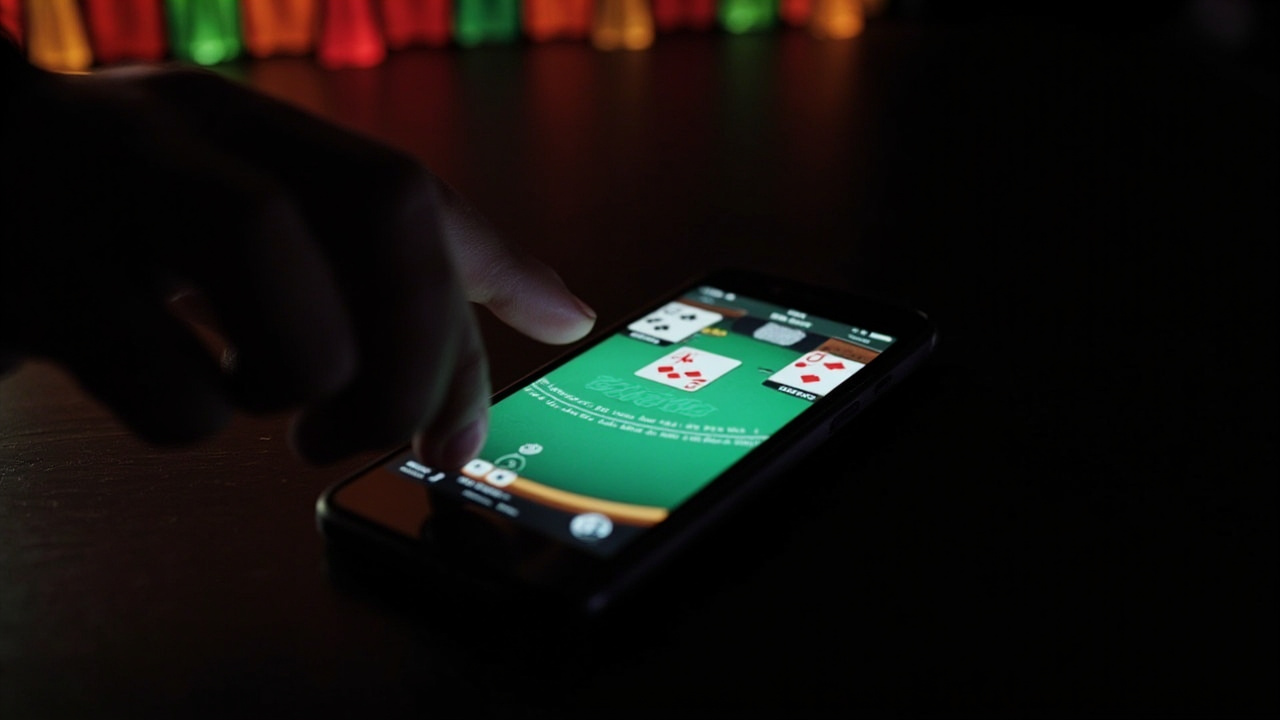
First, we’d map out the core mechanics and expected outcomes, just like setting the felt boundaries before the first card hits the table. Once everyone’s clear on the rules, I’d point them toward the elvis frog trueways guide for the finer nuances. That way, they can practice the basics at their own pace before stepping into the real action.
- Decide your total session cap in Australian dollars and write it down before you fund anything.
- Convert only the portion you’re willing to risk into your chosen crypto, keeping the rest untouched in your everyday wallet.
- Separate your session fund from savings and bill money so a losing streak can’t quietly bleed into the rest of your week.
- Set a loss limit and a time limit for the session, then stop when either one is hit rather than chasing.
- Log what you started with, what you withdrew, and what you left on the table so the next session starts with real numbers, not guesswork.
That discipline matters because crypto casino products are built around different priorities than the usual card or wheel setup. The core offer is usually a mix of live-dealing style tables and software-run games, with providers chosen for fast settlement and wallet-friendly deposits rather than the slower card-terminal rhythm you’d see on a physical floor. What distinguishes the experience is how quickly value moves in and out, which is convenient but also means a bad session can turn into a rushed one if you’re not watching the clock. Everyday usability tends to hinge on a clean mobile layout, straightforward registration, and support that actually answers questions instead of sending you in circles, but none of that fixes a budget that was never set in the first place.
Isla Stewart, iGaming Regulatory Consultant, Blue Gum Gaming Council, has put it plainly: “A wallet doesn’t make a session safer; it just changes how fast you can move money, so the budget has to be decided before the first deposit, not after the first win.” That’s the kind of call I’d back on the floor too – speed is not control, and crypto’s convenience can disguise how quickly a session eats through a limit you meant to respect.
Payment mechanics are where a lot of players get tripped up, because crypto values can shift between the moment you fund and the moment you settle a withdrawal. A sensible approach is to treat deposits as spent the instant they leave your wallet, and to think of any bonus as a temporary extension of play, not extra money you own. Registration should be straightforward, but verification still matters, and any platform that hints you can skip identity checks is one I’d keep a player away from. Loyalty features can soften the edges – cashback, tier points, or small return mechanisms – but they’re designed to keep you in the seat, not to rescue a budget that’s already blown past its ceiling.
Liam Smith, Independent iGaming Expert, Blue Mountains Interactive, has noted that “crypto casinos often present bonus terms that look generous on the surface, yet the real cost is the time and tilt they invite, so a budget that ignores wagering limits is just a wish.” I’ve seen that dynamic on busy tables where a player keeps feeding a hand because the bonus feels like a second chance, when really it’s just more room to lose at the same pace.

If you’re weighing how to budget for crypto casino play against other options, the honest read is that it suits people who want fast settlement, wallet control, and a different pace than a traditional card or wheel session, but it does not suit anyone who thinks volatility is a substitute for limits. Cooper Clarke, Head of Product, Pacific Player Protection Institute, has argued that “responsible play tools only work when the player sets them before the session, because once the money is in motion, the product is doing exactly what it was built to do.” That’s the judgement call I’d make as a floor supervisor: convenience is useful, but your budget is the only thing standing between a planned session and a stretched one.
So here’s the question I’d leave you with: when you sit down for a crypto session, do you decide your limit in Australian dollars first and treat the crypto conversion as just the method, or do you let the wallet itself set the pace? If you’ve got a routine that actually holds up on a busy night, share it with your mates or drop it below – because the best budget is the one someone else can copy without having to reinvent it.